retreat@sitaramayurveda.com
 +91 813 8888 912

Karnapooranam Benefits: A Complete Guide to Ayurvedic Ear Oil Therapy for Deep Healing

By Vignesh Devraj
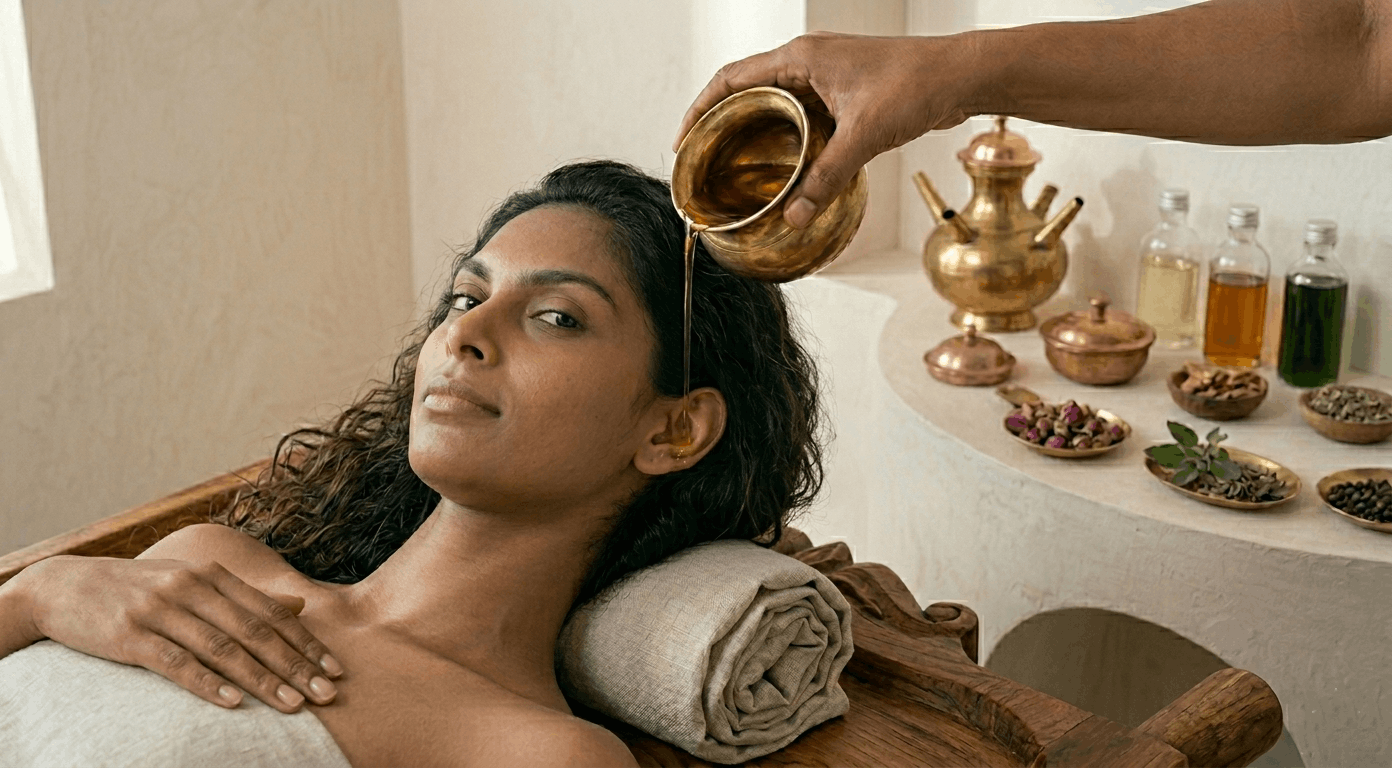
Karnapooranam benefits include calming the nervous system, improving sleep quality, relieving tinnitus, reducing head and jaw tension, and supporting overall ear health. This Ayurvedic therapy uses warm herbal oil in the ears to balance Vata dosha, making it especially useful for stress, sensory overload, and lifestyle-related imbalances.
When exploring karnapooranam benefits, it is important to understand that this is not just a simple ear care practice but a deeply restorative Ayurvedic therapy. At Sitaram Retreat, such treatments are approached as part of a broader healing system that focuses on the root cause rather than temporary relief.
Karnapooranam, also known as Ayurvedic ear oiling, helps calm the nervous system, improve sleep, and ease discomfort caused by modern lifestyle stress. With increasing screen exposure and mental fatigue, this ancient practice offers a gentle yet effective way to restore balance and stability in the body.
What is Karnapooranam in Ayurveda
Meaning and Origins
Karnapooranam is derived from Sanskrit, where Karna means ear, and Pooranam means filling. It refers to the process of filling the ears with warm medicated oil. This practice has been mentioned in classical Ayurvedic texts as a method to nourish the sensory organs and maintain equilibrium in the body.
In traditional Ayurveda, the ears are closely connected to Vata dosha, which governs movement, communication, and the nervous system. When Vata becomes aggravated due to stress, irregular routines, or excessive stimulation, it can lead to dryness, anxiety, and sensory disturbances. Karnapooranam is designed to counter these effects.
How It Works
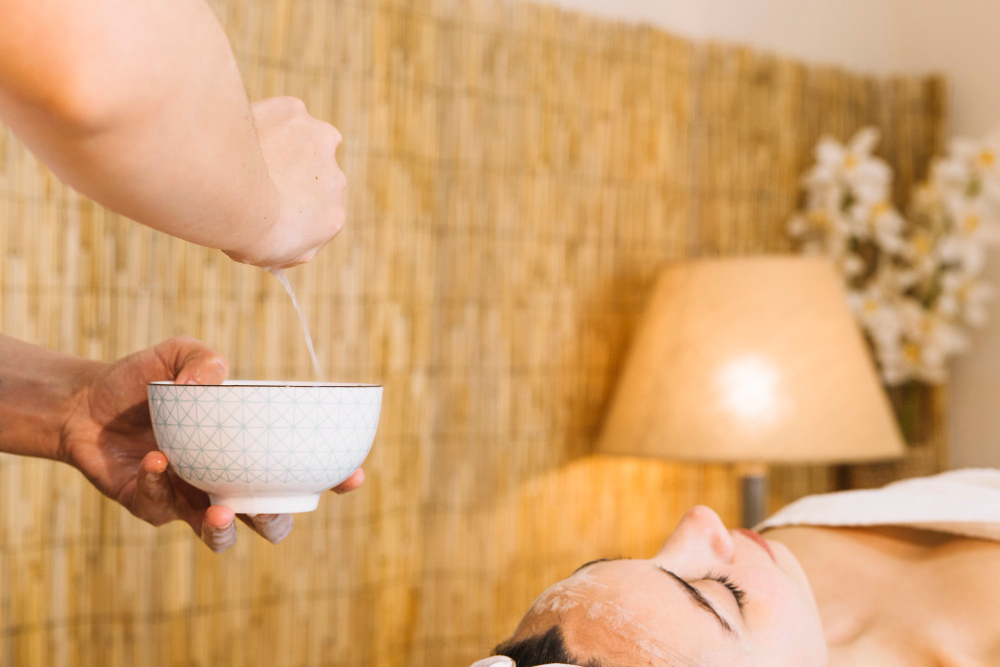
The therapy involves gently pouring lukewarm herbal oil into the ear canal and allowing it to remain there for a few minutes. This process provides lubrication, warmth, and nourishment to the inner ear and surrounding tissues.
The oil penetrates deeply and helps calm nerve endings, relax surrounding muscles, and reduce dryness. Over time, this contributes to better sensory balance and overall relaxation.
Where It Fits in Ayurveda
Karnapooranam is not an isolated practice. It is traditionally included in
● Daily self-care routines known as Dinacharya (only performed as directed by an ayurvedic physician)
● Panchakarma detox programs for deeper healing.
● Preventive therapies for maintaining sensory and neurological health.
Top Karnapooranam Benefits
Understanding the full range of karnapooranam benefits helps explain why this ancient therapy has remained relevant for centuries.
Calms the Nervous System and Reduces Stress
One of the most significant benefits is its effect on the nervous system. The warm oil helps ground excess Vata, which is often responsible for anxiety, restlessness, and mental fatigue.
Regular practice can lead to a noticeable sense of calm, making it especially useful for individuals dealing with high levels of stress or emotional imbalance. It is often combined with supportive therapies such as Ayurvedic treatment for anxiety and Ayurvedic treatment for stress.
Helps Relieve Tinnitus and Ear Discomfort
Karnapooranam is often recommended for conditions such as ringing or buzzing in the ears. While it may not cure all forms of tinnitus, it can provide relief in cases caused by dryness or nervous system imbalance.
It also helps soothe irritation and improve comfort within the ear canal.
Improves Sleep Quality
By calming the mind and reducing nervous tension, this therapy supports better sleep. Many individuals find that they fall asleep more easily and experience deeper, uninterrupted rest after regular sessions.
Enhances Hearing and Ear Health
The lubricating effect of the oil helps maintain the health of ear tissues. It supports natural cleansing and prevents excessive dryness, which can contribute to discomfort or sensitivity.
Reduces Jaw and neck stiffness
The ears are closely connected to surrounding muscles and nerves. By relaxing this area, Karnapooranam can help relieve tension in the jaw, temples, and neck. This is particularly beneficial for those who spend long hours on screens or experience stiffness due to posture issues.
Supports Mental Clarity and Focus
When the nervous system is calm, the mind becomes clearer and more focused. This therapy helps reduce sensory overload and promotes a balanced mental state, improving concentration and overall cognitive function.
Scientific and Ayurvedic Explanation
Ayurvedic Perspective
In Ayurveda, Vata dosha is responsible for all movement within the body, including nerve impulses and sensory perception. When Vata becomes imbalanced, it leads to dryness, instability, and irregular functioning.
Karnapooranam addresses this by introducing warmth and oiliness, which are qualities that counteract Vata. This helps restore stability and nourishment at a deeper level.
Modern Interpretation
From a modern perspective, the therapy may stimulate the parasympathetic nervous system, which is responsible for relaxation and recovery.
The gentle warmth and sensory input can reduce stress responses, lower tension, and promote a feeling of calm. This explains why many people experience immediate relaxation after the therapy.
How Karnapooranam is Done
Traditional Method
The process is simple but should be performed carefully under expert supervision only.
● The oil is gently warmed to a comfortable temperature.
● The person lies on one side in a relaxed position.
● A few drops of oil are poured into one ear.
● The position is maintained for several minutes.
● The process is repeated on the other side.
Oils Used
● Sesame oil is the most commonly used as base oil due to its warming and nourishing properties.
● Herbal medicated oils are often prescribed based on individual needs and conditions.
Frequency of Practice
● For general wellness, it can be done two to three times a week
● For therapeutic purposes, frequency depends on professional advice
Who Should Avoid Karnapooranam
While generally safe, this therapy should be avoided or done under supervision in certain situations
● Presence of ear infections
● Perforated eardrum
● Severe pain or inflammation
● Recent ear-related procedures
Karnapooranam in Authentic Ayurvedic Treatments
Role in Panchakarma
In Panchakarma therapies, Karnapooranam is used as part of a broader detox and rejuvenation process. It complements other treatments by calming the nervous system and enhancing overall effectiveness. Many individuals also explore detailed Panchakarma benefits to understand how these therapies support long-term wellbeing.
Importance of Professional Guidance
Although it appears simple, the effectiveness of Karnapooranam depends on proper diagnosis and personalization
● Selection of the right oil or swarasa (fresh herbal juice)
● Correct duration and frequency
● Integration with other therapies
This is why undergoing the therapy in a professional Ayurvedic setting leads to better and more lasting results.
Experience Authentic Healing at Sitaram Retreat
At Sitaram Retreat, Karnapooranam is not treated as a standalone remedy but as part of a comprehensive healing approach rooted in classical Ayurveda.
The retreat combines traditional knowledge with personalized care, ensuring that each treatment is aligned with the individual’s constitution and health condition.
Why Choose Sitaram Retreat
● A long standing Ayurvedic legacy with deep expertise.
● Treatments guided by experienced Ayurvedic doctors.
● Personalized Panchakarma programs.
● Integration of yoga, meditation, and lifestyle practices.
What Makes It Different
● Focus on long term healing rather than quick fixes
● Natural and peaceful environment that supports recovery
Experiencing the true depth of karnapooranam benefits requires more than occasional self care. It requires the right environment, guidance, and expertise.
At Sitaram Retreat, therapies are carefully designed to restore balance at every level. If you are seeking relief from stress, sleep issues, or persistent discomfort, this is an opportunity to experience authentic Ayurveda in its most effective form. The retreat also emphasizes holistic recovery through comprehensive Panchakarma treatment benefits that support physical, emotional, and mental wellness.
Disclaimer: This content is for informational purposes only and is not a substitute for professional medical advice. Always consult your healthcare provider.
Frequently Asked Questions
Q1. What are the main karnapooranam benefits?
Karnapooranam benefits include stress reduction, improved sleep, relief from tinnitus, better ear health, reduced tension in the head and neck improves neck and jaw stiffness, and enhanced mental clarity.
Q2. What oil is used in Karnapooranam?
Sesame oil is most commonly used due to its nourishing properties. In therapeutic settings, herbal medicated oils and fresh herbal juices are selected based on individual conditions and prakruti (body constitution).
Q3. How often should Karnapooranam be done?
For general wellness, it may be practiced a few times a week.
However, in Ayurveda, every treatment is highly individualized. The frequency and duration of Karnapooranam are decided based on a person’s Prakruti (body constitution), current condition, and therapeutic need.
Q4. How long does one session take?
The duration depends on the patient’s prakriti, condition, and indication. For ear disorders the duration is usually shorter, whereas for head related conditions (Shiroroga) it may be kept for a longer time.
Q5. Can Karnapooranam be done at home?
This procedure should not be performed at home and should only be done under expert supervision, as improper practice can lead to complications like infections or pus formation.
Q6. Is Karnapooranam safe for everyone?
It is safe for most people when done correctly. However, those with infections or ear injuries should avoid it or consult a Ayurvedic practitioner.
Q7. Will Karnapooranam help with tinnitus?
It may help reduce symptoms, especially when the condition is linked to dryness or nervous system imbalance.
Q8. Why is ear oiling important in Ayurveda?
Ayurveda considers the ears a key site of Vata dosha. Oiling helps balance Vata by providing warmth, stability, and nourishment, which supports both physical and mental well being.
Q9. What is the best time to do Karnapooranam?
The ideal time for Karnapooranam depends on the type of dravya used and the individual’s condition. If swarasa (fresh herbal juice) is used, it is generally done before food. When sneha dravyas like medicated oils are used, it is usually performed after light meals.
In Ayurveda, the timing is not fixed and is decided based on the person’s Prakruti, and the formulation used. Hence, it is best done under the guidance of an Ayurvedic expert.