retreat@sitaramayurveda.com
 +91 813 8888 912


Can You Do Panchakarma at Home? What’s Safe and What Isn’t

By Vignesh Devraj
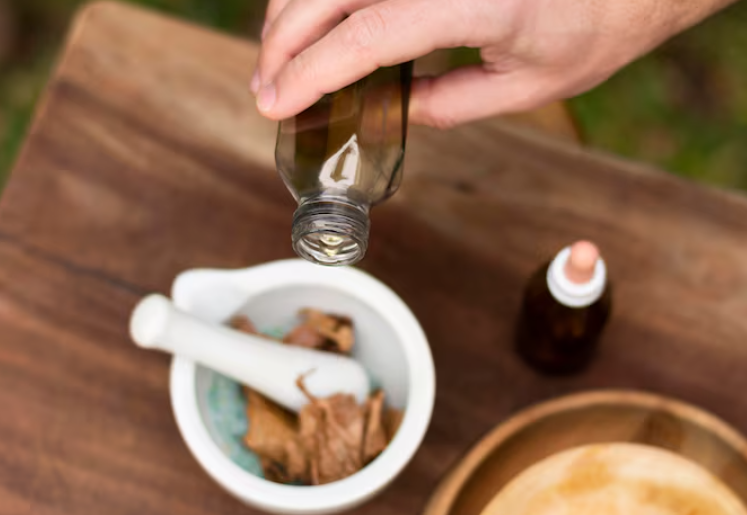
No, complete Panchakarma treatment should not be performed independently at home. Procedures such as Vamana, Virechana, and Basti require supervision by a qualified Ayurvedic physician. However, supportive practices such as gentle yoga, balanced eating, and Abhyanga may be incorporated into a home wellness routine with appropriate guidance.
Panchakarma at home may sound like a convenient way to experience Ayurvedic cleansing, but the traditional treatment involves much more than dietary changes or herbal remedies. How to do panchakarma at home depends on understanding which practices are suitable for home use and which require medical supervision. At Sitaram Retreat, personalised Panchakarma therapy offers a professionally guided approach to traditional Ayurvedic care.
Before attempting any part of a home routine, it helps to know what a supervised programme actually involves, since the stages are carefully planned and not interchangeable. Our guide on the Panchakarma process explained walks through preparation, the main procedures and recovery in simple terms.
What Is Panchakarma in Ayurveda?
Panchakarma is a traditional Ayurvedic treatment system involving five principal procedures intended to address imbalances associated with the body’s doshas: Vata, Pitta and Kapha. The word Panchakarma translates to five actions, referring to the five classical therapeutic procedures.
Unlike a general wellness routine, Panchakarma involves individual assessment, preparation, selected treatments and post-treatment care. Its approach considers factors such as a person’s constitution, digestive capacity, age, current health and treatment suitability.
What Are the Five Main Panchakarma Procedures?
The five classical procedures are:
- Vamana (therapeutic emesis): A physician-supervised procedure involving induced vomiting, traditionally associated with addressing Kapha-related imbalances.
- Virechana (therapeutic purgation): A controlled purgative treatment traditionally associated with Pitta-related imbalances.
- Basti (medicated enema): The administration of prescribed medicinal preparations through the rectal route, traditionally associated with Vata management.
- Nasya (nasal administration): The administration of prescribed oils or other medicinal preparations through the nasal route.
- Raktamokshana (bloodletting): A specialised procedure involving the removal of blood in selected clinical circumstances.
Not everyone requires all five procedures. Their selection depends on individual assessment by an appropriately qualified Ayurvedic physician.
Can You Do Panchakarma at Home?
The answer depends on what you mean by Panchakarma. Certain supportive Ayurvedic practices can be incorporated into a home routine, but a complete Panchakarma treatment should not be performed independently.
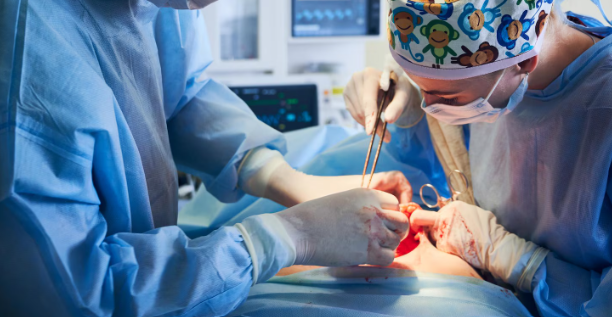
Classical procedures such as Vamana, Virechana and Basti require professional supervision because incorrect preparation, administration or patient selection can lead to complications.
Before considering any Panchakarma programme, an Ayurvedic physician should evaluate:
- Your current health and medical history.
- Your Ayurvedic constitution and dosha-related assessment.
- Digestive capacity and overall physical strength.
- Existing health conditions and medications.
- Whether intensive Ayurvedic procedures are appropriate.
Understanding these distinctions is essential when researching how to do panchakarma at home. A home wellness routine should never be treated as a substitute for clinical Panchakarma.
Gentle self-massage is one of the few Ayurvedic practices commonly included in a home routine, and body therapies also form part of professionally planned programmes. To see how a supervised body treatment differs from a home practice, you can explore the Udwarthanam therapy page at Sitaram Retreat.
How to Do Panchakarma at Home: What Practices Are Safe?
Although classical Panchakarma requires professional care, certain everyday practices may complement a balanced Ayurvedic lifestyle. Their suitability still depends on individual health, and they should not be presented as a complete cleansing treatment.
1. Follow a Balanced Ayurvedic Diet
Food is an important consideration in Ayurveda. Choose freshly prepared, balanced meals that suit your nutritional requirements and digestive comfort.
Some general habits include:
- Eating meals at consistent times.
- Including vegetables, whole grains and suitable protein sources.
- Drinking adequate fluids.
- Avoiding extreme fasting and restrictive detox diets.
- Following personalised dietary advice when undergoing treatment.
A qualified practitioner can recommend dietary adjustments according to individual needs.
2. Practise Gentle Abhyanga
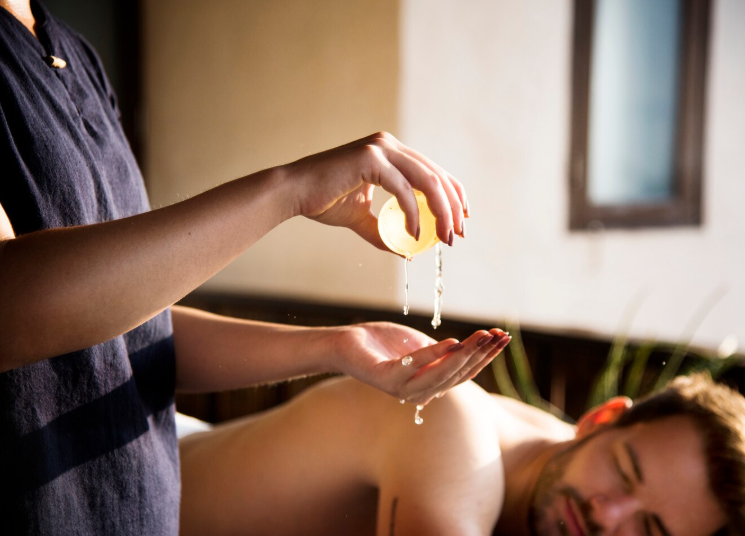
Abhyanga refers to the traditional Ayurvedic practice of oil massage. It is commonly incorporated into Ayurvedic daily routines and may support relaxation and a sense of physical comfort.
A few considerations include:
- Choose an appropriate oil based on professional advice and skin suitability.
- Avoid massage over injured, infected or irritated skin.
- Stop if discomfort or an adverse skin reaction develops.
- Seek medical advice if you have a condition that makes massage unsuitable.
Abhyanga can be a supportive wellness practice, but it is not a replacement for Panchakarma.
3. Include Gentle Yoga and Pranayama
Gentle yoga and breathing exercises can support flexibility, relaxation and general wellbeing. Choose movements according to your physical ability rather than following an intensive routine.
Simple stretching, comfortable breathing exercises and mindful movement may be appropriate for many people. However, avoid strenuous practices during illness, recovery or periods of physical weakness.
4. Maintain a Consistent Daily Routine
Ayurveda places importance on Dinacharya, or daily routine. Regular habits can help create a balanced approach to everyday wellbeing.
Consider maintaining:
- Consistent sleeping and waking times.
- Regular meal schedules.
- Adequate rest.
- Moderate physical activity.
- Time for relaxation and meditation.
5. Practise Meditation and Mindfulness
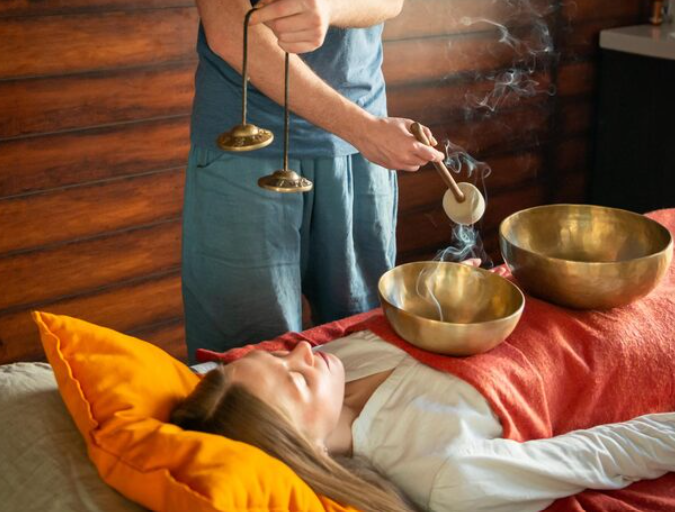
Meditation can be included as part of a broader wellness routine. Spending a few minutes on comfortable breathing, quiet reflection or guided meditation may help manage everyday stress and encourage relaxation.
These practices can complement a healthy lifestyle, but they do not reproduce the effects of classical Panchakarma procedures.
Which Panchakarma Procedures Should Never Be Attempted Without Supervision?
Understanding the limitations of Panchakarma at home is particularly important when it comes to its five principal procedures.
- Vamana: Inducing vomiting without medical supervision can cause dehydration, aspiration and other complications.
- Virechana: Unsupervised purgation can lead to fluid loss, electrolyte disturbances and digestive complications.
- Basti: Improper enema administration or unsuitable medicinal preparations can cause injury, infection and other adverse effects.
- Nasya: Incorrect preparation or administration may cause irritation or other complications. The appropriate formulation and method require individual assessment.
- Raktamokshana: Bloodletting carries risks of bleeding and infection and must only be considered in an appropriate clinical setting.
These procedures should never be attempted using online instructions, homemade formulations or advice from unqualified individuals.
Calming practices such as meditation and gentle breathing can support a home wellness routine, and some retreat therapies are designed with the same goal. If you want to see how a relaxation-focused treatment is delivered under supervision, you can read about Shirodhara at Sitaram Retreat.
What Are the Risks of Doing Panchakarma at Home Without Guidance?
Unsupervised cleansing procedures can affect the body in ways that may require medical attention. The risks depend on the procedure, the person’s health and the substances or techniques used.
Potential complications include:
- Dehydration: Excessive vomiting or purgation can cause significant fluid loss.
- Electrolyte imbalance: Changes in essential body minerals may affect normal bodily functions.
- Digestive disturbances: Inappropriate dietary restrictions, laxatives or herbal preparations may cause gastrointestinal problems.
- Adverse reactions: Herbal medicines and oils can cause unwanted reactions or interact with prescribed medication.
- Infection or injury: Improperly performed procedures may introduce infection or damage tissue.
- Delayed treatment: Relying on self-treatment may postpone appropriate medical care.
Pregnant individuals, older adults, people with chronic illnesses and those taking regular medication should seek medical advice before considering intensive cleansing procedures.
How Is Panchakarma Properly Performed Under Ayurvedic Supervision?
Traditional Panchakarma follows a structured process. Its stages are selected and adapted according to the individual’s condition and treatment requirements.
1. Poorvakarma – The Preparation Stage
Poorvakarma prepares an individual for the main treatment. Depending on the treatment plan, it may include Snehana (oleation) and Swedana (therapeutic sweating).
These procedures are selected according to individual suitability and are not standard instructions for home use.
2. Pradhanakarma – The Main Treatment Stage
Pradhanakarma refers to the principal therapeutic phase. The Ayurvedic physician selects appropriate procedures based on the initial assessment.
Not everyone undergoes all five Panchakarma procedures. Treatment selection, duration and monitoring depend on individual requirements.
3. Paschatkarma – The Recovery Stage
Paschatkarma focuses on post-treatment care and gradual restoration of regular dietary and lifestyle habits.
It may involve:
- Gradually reintroducing foods according to the prescribed plan.
- Following appropriate dietary recommendations.
- Allowing sufficient time for rest.
- Attending follow-up consultations.
- Following the physician’s advice about daily activities.
This structured approach distinguishes professional Panchakarma from unsupervised home cleansing routines.
Why Choose a Professionally Supervised Panchakarma Programme?
Panchakarma requires more than following a list of treatments. Individual assessment, appropriate procedure selection, preparation and recovery care all contribute to a properly managed programme.
A professionally supervised programme offers:
- Assessment by qualified Ayurvedic physicians.
- Treatment recommendations based on individual requirements.
- Appropriate selection of traditional procedures.
- Monitoring throughout the treatment.
- Personalised dietary guidance.
- Structured post-treatment care.
Experience Personalised Panchakarma at Sitaram Retreat
At Sitaram Retreat, Panchakarma is approached through traditional Ayurvedic knowledge and individualised care. Its treatment programmes incorporate consultations with Ayurvedic physicians and therapies selected according to individual needs.
With a four-generation Ayurvedic heritage, Sitaram brings traditional treatment experience into a retreat setting. Its wellness approach also incorporates Ayurvedic cuisine, yoga, meditation and supportive lifestyle practices.
For those considering Panchakarma, the first step is to understand their health requirements and discuss treatment suitability with a qualified physician rather than attempting intensive procedures independently.
Explore Panchakarma at Sitaram Retreat to learn about its treatment approach and available programmes.
Frequently Asked Questions
Q1. How can I prepare for Panchakarma at home?
Start by consulting a qualified Ayurvedic physician. Follow appropriate dietary and lifestyle recommendations, but do not attempt preparatory treatments such as internal oleation or therapeutic sweating without professional guidance.
Q2. Can Panchakarma be done completely at home?
No. Classical Panchakarma involves procedures that require individual assessment, appropriate preparation and professional supervision. Some supportive Ayurvedic habits can be practised at home.
Q3. Is Abhyanga the same as Panchakarma?
No. Abhyanga is a traditional Ayurvedic oil massage practice. It may form part of Panchakarma preparation or be used independently as a wellness practice, but it is not the complete treatment.
Q4. Will Panchakarma help balance the doshas?
In Ayurvedic philosophy, Panchakarma is intended to address doshic imbalances. The approach depends on individual assessment, and its health benefits should not be assumed or guaranteed.
Q5. What are the five main procedures of Panchakarma?
The commonly described procedures are Vamana, Virechana, Basti, Nasya and Raktamokshana. Some Ayurvedic traditions classify the five procedures differently, particularly regarding the two types of Basti.
Q6. What should I eat during Panchakarma?
Diet depends on the treatment stage and individual requirements. Freshly prepared, easily digestible meals may be recommended, with specific dietary instructions provided by the treating Ayurvedic physician.
Q7. Why should Panchakarma be performed under medical supervision?
The procedures can cause complications if selected or administered incorrectly. Professional supervision helps assess suitability, select appropriate treatments and monitor potential adverse effects.
Q8. Why is post-treatment care important after Panchakarma?
Post-treatment care supports a gradual return to regular eating and daily activities. The Paschatkarma stage includes dietary guidance, rest and follow-up recommendations based on the treatment received.
TABLE OF CONTENTS
- What Is Panchakarma in Ayurveda?
- Can You Do Panchakarma at Home?
- How to Do Panchakarma at Home: What Practices Are Safe?
- Which Panchakarma Procedures Should Never Be Attempted Without Supervision?
- What Are the Risks of Doing Panchakarma at Home Without Guidance?
- How Is Panchakarma Properly Performed Under Ayurvedic Supervision?
- Why Choose a Professionally Supervised Panchakarma Programme?
- Frequently Asked Questions