retreat@sitaramayurveda.com
 +91 813 8888 912


Dhanyamla Dhara Malayalam: Meaning, Ingredients, Benefits & Procedure

By Vignesh Devraj
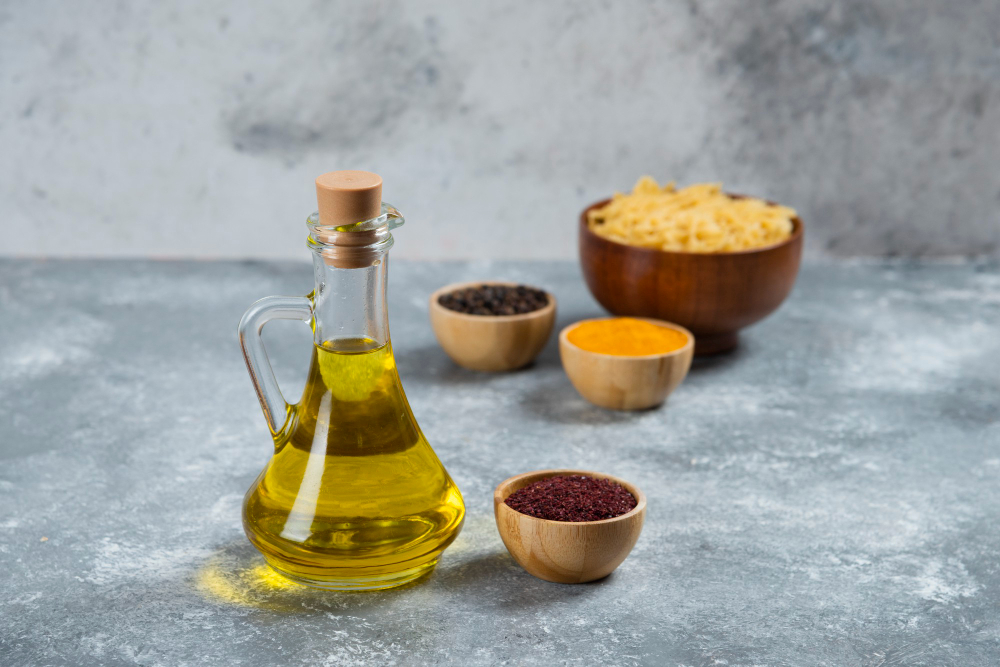
Dhanyamla Dhara Malayalam refers to a traditional Ayurvedic therapy involving a warm, fermented, grain-based herbal liquid poured in a continuous stream over the body or a prescribed area. The name reflects its ingredients and method, while the therapy is traditionally used for stiffness, pain, and selected musculoskeletal concerns under Ayurvedic guidance.
At Sitaram Retreat, the therapy is approached through individual Ayurvedic assessment rather than a fixed protocol. Understanding its meaning, preparation, and traditional uses helps you know what to expect before considering the treatment. If this therapy interests you, explore the Dhanyamla Dhara programme at Sitaram Retreat.
What Is Dhanyamla Dhara Malayalam?
The term Dhanyamla Dhara can be understood through three parts: Dhanya, Amla and Dhara. Dhanya relates to grains, Amla refers to sourness or fermentation, and Dhara means a continuous flow or stream. Together, the name describes a warm fermented preparation applied as a steady stream during an Ayurvedic external therapy.
In simple terms, Dhanyamla Dhara in Malayalam describes a traditional treatment using a warm fermented grain-based herbal liquid that is continuously poured over the body or a prescribed area.
Dhanyamla Dhara Malayalam: Ingredients and Meaning
The formulation is based on grains and other ingredients selected according to the Ayurvedic preparation being followed. Traditional preparations can include rice and other grains or pulses, dry ginger, citrus ingredients, and aromatic herbs or spices.
The exact formulation does not have to be identical in every Ayurvedic setting. Ingredients, proportions, and preparation methods may vary according to the classical formulation, regional practice, and the individual’s treatment plan.
Commonly discussed ingredients include:
- Grains such as rice and other traditional cereals
- Pulses used as part of the fermented preparation
- Dry ginger and other warming ingredients
- Citrus or sour ingredients
- Selected herbs and aromatic spices
- Water used during preparation
An online ingredient list should not be treated as a home recipe. Dhanyamla is prepared for therapeutic application, and the formulation should be handled by trained professionals. Explore ayurvedic treatment for sciatica to learn about traditional Ayurvedic approaches, supportive lifestyle practices, and the importance of professional guidance for managing sciatica symptoms.
How Is Dhanyamla Prepared?
Preparation involves combining selected grains, herbs, and other ingredients and processing them into a fermented liquid for therapeutic use. Attention to ingredients, proportions, preparation, and fermentation is essential.
A typical preparation involves:
- Selecting ingredients according to the prescribed formulation
- Preparing the grains, herbs and other components using the required Ayurvedic method
- Allowing the preparation to undergo fermentation
- Preparing the resulting liquid for application
- Warming the preparation to a suitable temperature before treatment
The liquid is managed carefully during the therapy so that the warmth and flow remain appropriate. This makes professional preparation important. Explore dhanyamla dhara benefits to learn about the traditional Ayurvedic therapy’s potential role in relaxation, comfort, and overall wellness.
How Is Dhanyamla Dhara Performed?
The procedure is planned after Ayurvedic assessment. The warm fermented liquid is applied in a continuous stream over the whole body or a selected region, depending on the treatment plan.
1. Ayurvedic Assessment
The practitioner considers the individual’s symptoms, health status and treatment requirements before recommending the therapy.
2. Preparation
The Dhanyamla preparation is made ready and warmed according to the planned procedure.
3. Continuous Dhara Application
The warm liquid is poured continuously over the prescribed area using a controlled technique.
4. Maintaining Flow and Warmth
The preparation is managed throughout the session to maintain an appropriate flow and temperature.
5. Post-Treatment Care
After the procedure, the practitioner provides guidance based on the individual’s wider Ayurvedic programme.
What Are the Benefits of Dhanyamla Dhara?
Dhanyamla Dhara Malayalam content often focuses on the therapy’s traditional applications for stiffness, discomfort and musculoskeletal concerns. Its warm external application and continuous flow are central to the treatment experience.
Traditional Ayurvedic uses may include:
- Supporting comfort when stiffness is present
- Supporting mobility and ease of movement
- Complementing Ayurvedic care for selected musculoskeletal concerns
- Supporting a feeling of warmth and circulation in the treated area
- Being included in personalised programmes for joint and rheumatic complaints
These uses should be understood within Ayurvedic care. Dhanyamla Dhara is not a universal solution for every type of pain, arthritis or inflammation. A qualified practitioner determines whether it is appropriate for an individual. Explore dhanyamla dhara ingredients to learn about the traditional herbal and fermented grain-based ingredients used in this Ayurvedic therapy and their role in supporting overall wellness.
Dhanyamla Dhara for Arthritis and Joint Discomfort
Dhanyamla Dhara Malayalam searches are often connected with questions about arthritis, joint stiffness and pain. The therapy may be considered as part of an Ayurvedic approach for selected joint and rheumatic concerns, particularly when stiffness and physical discomfort are relevant to the treatment plan.
Arthritis includes different conditions, however, so treatment should not be chosen from the condition name alone. A practitioner considers symptoms, overall health and the individual’s Ayurvedic assessment before recommending a therapy.
Who May Consider Dhanyamla Dhara?
Dhanyamla Dhara may be considered for people experiencing:
- Musculoskeletal stiffness
- Localised discomfort
- Selected joint or rheumatic complaints
- Restricted movement where an Ayurvedic practitioner considers the therapy appropriate
- Concerns included within a personalised Ayurvedic programme
The therapy should be selected through professional assessment and should not replace medical diagnosis or urgent care when symptoms require conventional medical attention.
Who Should Take Precautions With Dhanyamla Dhara?
Not every Ayurvedic therapy is suitable for every person. Pregnancy, fever, acute illness, significant medical conditions or skin concerns affecting the treatment area may require additional assessment.
Before beginning treatment, tell the practitioner about existing health conditions, medicines, current symptoms and other therapies. This helps determine whether Dhanyamla Dhara is appropriate and how it should be incorporated into your care.
Dhanyamla Dhara vs Dhanyamlakizhi
Dhanyamla Dhara and Dhanyamlakizhi use different application methods. Dhanyamla Dhara involves a continuous stream of prepared liquid, while Dhanyamlakizhi uses a bolus or pouch containing a prepared herbal or grain-based material for external application.
Neither therapy is automatically better. The appropriate choice depends on the individual’s symptoms, assessment and treatment goals.
Dhanyamla Dhara vs Pizhichil
Dhanyamla Dhara and Pizhichil are distinct Ayurvedic external therapies. Dhanyamla Dhara uses a fermented preparation delivered as a continuous stream, while Pizhichil is traditionally associated with a continuous stream of warm medicated oil.
The choice depends on the individual’s requirements and the practitioner’s assessment. Comparing the therapies online can provide context, but it should not replace professional guidance.
How Long Does Dhanyamla Dhara Take?
The duration of a Dhanyamla Dhara session can vary according to the treatment area, purpose of therapy, and individual assessment. The number of sessions and overall programme length can also differ.
Follow the schedule recommended by the Ayurvedic practitioner so that the therapy remains aligned with the individual’s treatment plan.
Why Choose Sitaram Retreat for Dhanyamla Dhara?
Sitaram Retreat takes a personalised approach to Ayurvedic care. Its Dhanyamla Dhara programme is considered in relation to the individual’s needs, allowing the therapy, duration and supporting care to be planned together.
The retreat’s approach is suited to people who want professional guidance rather than a generic treatment protocol. The focus is on experienced Ayurvedic care, individual assessment, and a broader wellness environment.
Experience Dhanyamla Dhara at Sitaram Retreat
If you are exploring Dhanyamla Dhara Malayalam and want to understand whether this traditional Ayurvedic therapy suits your needs, Sitaram Retreat offers an opportunity to discuss your requirements with an Ayurvedic team. A personalised consultation can help determine the appropriate approach, duration, and supporting therapies.
Explore Dhanyamla Dhara at Sitaram Retreat and take the next step towards a personalised Ayurvedic wellness programme.
Frequently Asked Questions
Q1. How is Dhanyamla Dhara performed?
Dhanyamla Dhara Malayalam treatment is performed by continuously pouring a warm fermented Ayurvedic preparation over the whole body or a prescribed area. The practitioner determines the treatment area, temperature, flow, and duration according to the individual’s plan.
Q2. How long does Dhanyamla Dhara take?
A session can vary in length depending on the treatment area and individual plan. The practitioner decides the appropriate duration and number of sessions after assessing the person’s needs.
Q3. Can Dhanyamla Dhara help with stiffness?
Dhanyamla Dhara is traditionally used to support comfort and mobility when stiffness is present. Its suitability depends on the underlying concern and the individual’s Ayurvedic assessment.
Q4. Is Dhanyamla Dhara suitable for everyone?
No. Dhanyamla Dhara is not suitable for everyone. A practitioner should assess your health, symptoms, and existing conditions before recommending the therapy.
Q5. Will Dhanyamla Dhara help with arthritis?
Dhanyamla Dhara may be included in an Ayurvedic programme for selected joint and rheumatic concerns. It should not be presented as a guaranteed treatment for arthritis because suitability varies by person and condition.
Q6. What does Dhanyamla Dhara mean in Malayalam?
Dhanyamla Dhara Malayalam refers to a traditional Ayurvedic therapy involving a warm fermented, grain-based preparation applied in a continuous stream. Dhanya relates to grains, Amla to sourness or fermentation, and Dhara to a continuous flow.
Q7. What are Dhanyamla Dhara ingredients in Malayalam?
Traditional preparations can include grains, pulses, dry ginger, citrus ingredients, and other herbs or spices. The exact ingredients and proportions can vary according to the formulation and individual treatment plan.
Q8. Why is Dhanyamla Dhara fermented?
Fermentation is part of the traditional preparation of Dhanyamla. It contributes to the preparation’s characteristic sour quality and forms part of the traditional method used before the liquid is applied therapeutically.
TABLE OF CONTENTS
- What Is Dhanyamla Dhara Malayalam?
- Dhanyamla Dhara Malayalam: Ingredients and Meaning
- How Is Dhanyamla Prepared?
- How Is Dhanyamla Dhara Performed?
- What Are the Benefits of Dhanyamla Dhara?
- Dhanyamla Dhara for Arthritis and Joint Discomfort
- Who May Consider Dhanyamla Dhara?
- Who Should Take Precautions With Dhanyamla Dhara?
- Dhanyamla Dhara vs Dhanyamlakizhi
- Dhanyamla Dhara vs Pizhichil
- How Long Does Dhanyamla Dhara Take?
- Why Choose Sitaram Retreat for Dhanyamla Dhara?
- Experience Dhanyamla Dhara at Sitaram Retreat
- Frequently Asked Questions