retreat@sitaramayurveda.com
 +91 813 8888 912


Dhanyamla Dhara for Weight Loss: Benefits, Procedure & Ayurvedic Approach

By Vignesh Devraj
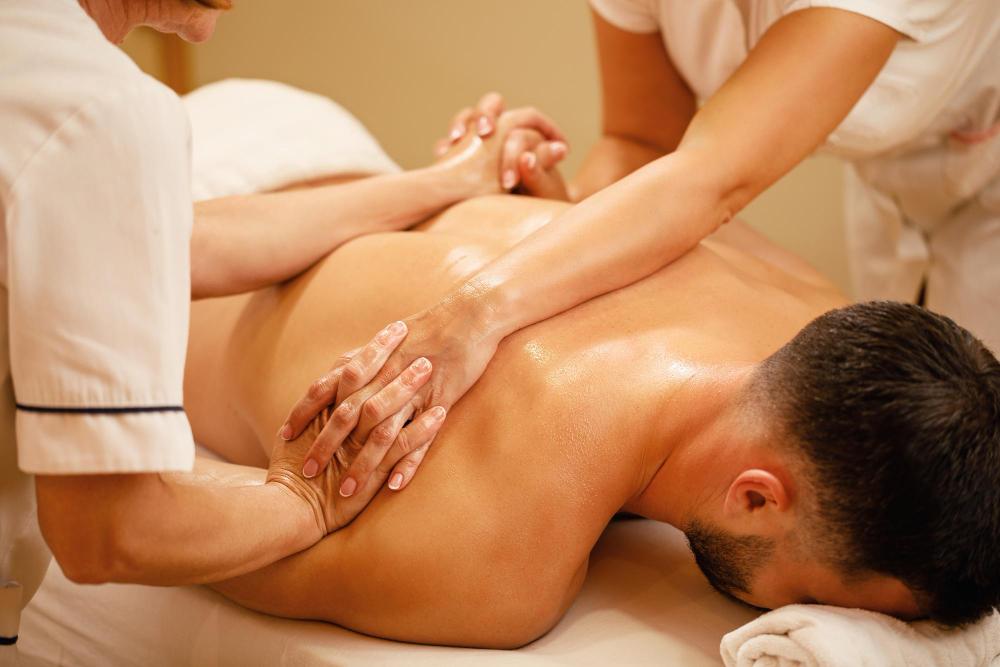
Dhanyamla Dhara for weight loss is a supportive Ayurvedic therapy in which a warm, fermented grain-based herbal decoction is continuously poured over the body or a specific area. It may complement a personalised weight-management programme, but sustainable results depend on a broader approach involving diet, lifestyle, movement and professional Ayurvedic guidance.
Weight management in Ayurveda looks beyond body weight alone. Dhanyamla Dhara for weight loss may be incorporated into a personalised Ayurvedic programme when appropriate, particularly alongside therapies and lifestyle practices designed around an individual’s needs. At Sitaram Retreat, this therapy can form part of a broader approach to wellbeing. The real question is how it fits into your complete Ayurvedic journey.
What Is Dhanyamla Dhara?
Dhanyamla Dhara is a traditional Ayurvedic therapy involving the continuous pouring of a warm, fermented herbal decoction over the whole body or a specific affected area. The word itself describes the therapy: “Dhanya” refers to grain, “Amla” refers to something sour or fermented, and “Dhara” means a continuous stream or pouring.
The decoction is prepared using fermented grains and is warmed before being applied in a continuous stream. Depending on the treatment plan, the therapy may be performed with or without oil application.
Unlike a general spa treatment, Dhanyamla Dhara is selected according to the individual’s Ayurvedic needs. The application area, duration, temperature and accompanying therapies form part of a planned treatment protocol. Explore ayurvedic treatment for weight loss to learn about traditional Ayurvedic approaches, balanced dietary habits, and lifestyle practices that support healthy weight management and overall well-being.
How Can Dhanyamla Dhara Support Weight Management?
When considering Dhanyamla Dhara for weight loss, it is important to understand its role within Ayurveda rather than viewing it as a standalone method for reducing body weight.
Ayurvedic weight management commonly takes a personalised approach that considers digestion, lifestyle, activity, constitution and other individual factors. Dhanyamla Dhara may be used as one component of this wider therapeutic plan.
Supports Circulation
Dhanyamla Dhara involves the continuous application of a warm decoction over the body or a selected region. Sitaram Retreat describes the therapy as supporting blood and lymph circulation.
Good circulation is relevant to overall physical wellbeing and may complement a broader programme that includes movement, nutrition and other Ayurvedic therapies.
May Support Comfort and Mobility
Sitaram Retreat uses Dhanyamla Dhara therapeutically for concerns involving pain, inflammation, arthritis and rheumatic conditions.
For someone working towards healthier body composition, physical comfort can also matter. When stiffness or discomfort affects daily movement, improving overall comfort may make it easier to maintain an active lifestyle.
Complements a Wider Ayurvedic Programme
The most important point is that Dhanyamla Dhara for weight loss should be viewed as a complementary therapy rather than a quick-fix treatment.
A comprehensive Ayurvedic weight-management programme may combine therapeutic procedures with personalised nutrition, physical activity, yoga, breathing practices, rest and lifestyle changes. The combination is designed around the person’s individual requirements rather than applying the same treatment to everyone.
Dhanyamla Dhara for Weight Loss: The Ayurvedic Perspective
Ayurveda approaches weight management through an individual’s overall health and balance rather than focusing exclusively on the number on a weighing scale.
Agni and Digestion
Agni, traditionally described as digestive and metabolic fire, is an important Ayurvedic concept. Ayurveda considers the strength and quality of digestion when developing an individual wellness plan.
This does not mean that improving “Agni” should be interpreted as a medically proven method of increasing metabolism. It is an Ayurvedic framework used to understand digestion and overall balance.
Kapha and Weight Imbalance
Ayurvedic practitioners may consider Kapha when assessing concerns associated with heaviness, sluggishness and excess body weight.
However, Ayurvedic assessment is individualised. A person’s constitution, current condition, digestion, lifestyle and other factors all influence the treatment approach.
Individual Constitution Matters
There is no single Ayurvedic therapy that is appropriate for everyone.
An Ayurvedic practitioner may consider factors such as:
- Prakriti or individual constitution
- Current health concerns
- Digestive patterns
- Daily activity
- Dietary habits
- Sleep and rest
- Stress
- Existing medical conditions
- Previous treatments
This individualised approach is particularly important when weight management is the goal. Explore dhanyamla dhara ingredients to learn about the traditional herbal and fermented grain-based ingredients used in this Ayurvedic therapy and their role in supporting overall wellness.
How Is Dhanyamla Dhara Treatment Performed?
Understanding the Dhanyamla Dhara procedure can help you know what to expect.
1. Ayurvedic Assessment
Treatment begins with an assessment to understand the individual’s needs and determine whether Dhanyamla Dhara is appropriate.
2. Preparation of the Decoction
A herbal decoction prepared using fermented grains is used for the therapy. The preparation is made according to the prescribed treatment protocol.
3. Warming the Decoction
The decoction is warmed before application. Maintaining an appropriate and consistent temperature is an important part of the procedure.
4. Continuous Application
The warm decoction is poured in a continuous stream over the prescribed body area or the whole body. Depending on the treatment plan, oil may or may not be used.
5. Completion of the Session
The therapy continues for the prescribed duration. At Sitaram Retreat, the used decoction is collected, reheated, and reused during the designated treatment period.
The exact duration and frequency should be determined by the treating Ayurvedic professional rather than followed as a generic schedule. Explore dhanyamla dhara benefits to learn about the traditional Ayurvedic therapy’s potential role in relaxation, comfort, and overall wellness.
What Are the Benefits of Dhanyamla Dhara?
The traditional Dhanyamla Dhara benefits associated with the therapy include support for circulation and therapeutic care for pain and inflammatory concerns. Sitaram Retreat specifically describes its use for arthritis, rheumatism, and other inflammatory conditions.
Potential therapeutic roles include:
- Supporting blood and lymph circulation
- Supporting comfort in areas affected by stiffness or pain
- Complementing care for inflammatory concerns
- Supporting an Ayurvedic therapeutic programme
- Providing a warm, externally applied treatment experience
- Complementing other therapies selected according to individual needs
These benefits should not be confused with guaranteed weight reduction. A therapy may support an overall treatment programme without independently causing measurable fat loss.
Is Dhanyamla Dhara Alone Enough for Weight Loss?
No. Dhanyamla Dhara for weight loss should not be presented as a standalone solution for sustainable weight management.
Long-term weight management generally requires consistent habits around:
- Balanced nutrition
- Regular physical activity
- Adequate sleep
- Stress management
- Healthy daily routines
- Appropriate medical or Ayurvedic guidance
- Personalised therapies when indicated
Ayurvedic treatment works best when the therapy is considered within the context of the person’s complete lifestyle.
Dhanyamla Dhara and Other Ayurvedic Weight-Loss Therapies
A personalised Ayurvedic programme may include different therapies depending on the individual’s assessment.
Udwarthanam
Udwarthanam is a dry herbal powder massage traditionally used in Ayurvedic care. It is distinct from Dhanyamla Dhara and should not be treated as an interchangeable therapy.
Swedana
Swedana refers to Ayurvedic sweating or fomentation therapies. It may be incorporated into certain treatment programmes according to individual requirements.
Panchakarma
Panchakarma is a broader Ayurvedic therapeutic framework involving specific procedures selected according to an individual’s condition. Not every person seeking weight management requires Panchakarma.
The choice between these therapies depends on professional assessment rather than simply selecting the treatment associated with the greatest number of online benefits.
Who May Consider Dhanyamla Dhara for Weight Management?
Dhanyamla Dhara may be considered for people undergoing a professionally designed Ayurvedic wellness or weight-management programme, particularly when the therapy also aligns with their broader therapeutic needs.
It may be relevant when weight concerns occur alongside issues such as:
- Physical heaviness or stiffness
- Reduced comfort during movement
- Inflammatory concerns
- Musculoskeletal discomfort
- A need for supportive external Ayurvedic therapy
However, suitability should always be established through an individual assessment.
When Should You Avoid Self-Prescribing Dhanyamla Dhara?
Ayurvedic therapies should not be selected solely because they appear suitable for a particular symptom or goal online.
Before undergoing treatment, discuss:
- Existing health conditions
- Current medications
- Previous Ayurvedic treatments
- Pregnancy, where relevant
- Allergies or sensitivities
- Any unexplained or persistent symptoms
A qualified professional can determine whether Dhanyamla Dhara is suitable and whether another approach would be more appropriate.
What to Expect During a Dhanyamla Dhara Session
A Dhanyamla Dhara session is designed around a controlled, continuous application of warm herbal decoction.
Depending on the treatment plan, you can expect:
- An Ayurvedic consultation or assessment
- Preparation of the prescribed decoction
- Controlled warming of the preparation
- Positioning for treatment
- Continuous pouring over the selected area or body
- Completion of the prescribed treatment duration
- Post-treatment guidance
The experience and treatment protocol can vary because Ayurvedic therapies are personalised.
How Long Does It Take to See Weight-Loss Results With Ayurveda?
There is no universal timeline for Ayurvedic weight management.
Results can vary according to starting weight, constitution, diet, activity level, sleep, health history, treatment plan, and consistency with lifestyle changes.
This is why it is better to focus on sustainable changes than on promises of rapid weight loss. A responsible Ayurvedic programme should establish realistic goals and monitor progress over time.
Begin Your Ayurvedic Weight-Management Journey at Sitaram Retreat
Sustainable weight management is not about finding one procedure that promises instant results. It is about understanding your body, developing appropriate habits and choosing therapies that genuinely fit your individual needs.
At Sitaram Retreat, Dhanyamla Dhara can be considered part of a personalised Ayurvedic approach, supported by professional guidance and a broader focus on nutrition, lifestyle and wellbeing. If you are exploring Dhanyamla Dhara for weight loss, speak with the Sitaram Retreat team to understand whether this therapy is appropriate for your needs and how it can fit into your Ayurvedic wellness journey.
Take the first step towards a more personalised approach to wellbeing with Sitaram Retreat.
Frequently Asked Questions
Q1. How does Dhanyamla Dhara help with weight loss?
Dhanyamla Dhara may support an Ayurvedic weight-management programme through its traditional therapeutic role, but it should not be considered a standalone fat-loss treatment.
Q2. Can Dhanyamla Dhara burn body fat?
Sitaram Retreat describes the therapy as supporting circulation and fat-related therapeutic processes. However, Dhanyamla Dhara should not be promoted as a guaranteed method of directly reducing body fat.
Q3. Is Dhanyamla Dhara suitable for everyone?
No. Suitability depends on individual health needs, Ayurvedic assessment and the treatment plan recommended by a qualified professional.
Q4. Will Dhanyamla Dhara reduce my weight quickly?
There is no guaranteed timeline for weight reduction. Sustainable weight management depends on the overall treatment and lifestyle programme rather than one therapy alone.
Q5. What is used in Dhanyamla Dhara?
A warm herbal decoction prepared using fermented grains is used. The preparation and application are determined according to the prescribed treatment protocol.
Q6. Why is Dhanyamla Dhara used in Ayurveda?
Dhanyamla Dhara is traditionally used as an external Ayurvedic therapy, including for pain, inflammation, arthritis, rheumatism, and circulation-related therapeutic support.
Q7. Can Dhanyamla Dhara be combined with other Ayurvedic therapies?
Yes, it can form part of a broader Ayurvedic treatment programme when other therapies are considered appropriate for the individual.
Q8. What should I do before choosing Dhanyamla Dhara for weight loss?
Begin with a professional Ayurvedic assessment. This helps determine whether Dhanyamla Dhara is appropriate and how it should fit into your overall weight-management plan.
TABLE OF CONTENTS
- What Is Dhanyamla Dhara?
- How Can Dhanyamla Dhara Support Weight Management?
- Dhanyamla Dhara for Weight Loss: The Ayurvedic Perspective
- How Is Dhanyamla Dhara Treatment Performed?
- What Are the Benefits of Dhanyamla Dhara?
- Is Dhanyamla Dhara Alone Enough for Weight Loss?
- Dhanyamla Dhara and Other Ayurvedic Weight-Loss Therapies
- Who May Consider Dhanyamla Dhara for Weight Management?
- When Should You Avoid Self-Prescribing Dhanyamla Dhara?
- What to Expect During a Dhanyamla Dhara Session
- How Long Does It Take to See Weight-Loss Results With Ayurveda?
- Begin Your Ayurvedic Weight-Management Journey at Sitaram Retreat
- Frequently Asked Questions