retreat@sitaramayurveda.com
 +91 813 8888 912


Dhanyamla Dhara Uses: Benefits, Procedure, Conditions & Ayurvedic Approach

By Vignesh Devraj
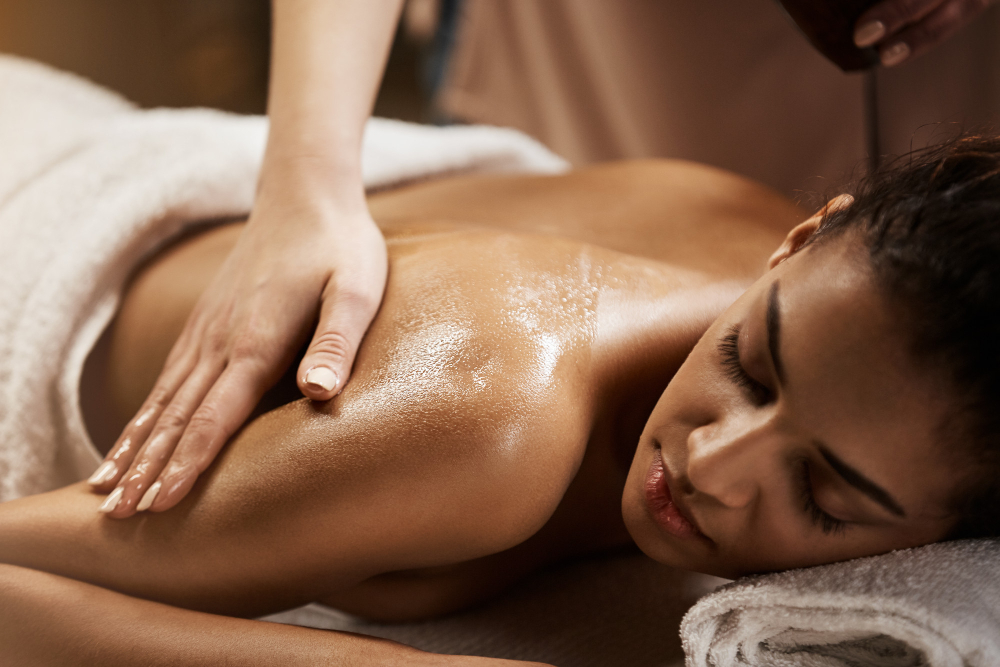
Dhanyamla Dhara uses traditionally include supporting comfort in pain, stiffness, musculoskeletal discomfort and selected inflammatory or rheumatic complaints. The therapy involves continuously pouring a warm, fermented grain-based herbal preparation over a specific body area or the whole body, according to an individual Ayurvedic assessment.
Dhanyamla Dhara uses traditionally extend to supporting people experiencing pain, stiffness, physical discomfort and selected musculoskeletal concerns. The therapy uses a continuous stream of a warm, fermented herbal preparation applied to the body under Ayurvedic supervision. At Sitaram Retreat, personalised assessment helps determine whether this therapy suits your needs. The treatment experience goes beyond the therapy itself.
What Is Dhanyamla Dhara?
Dhanyamla Dhara is a traditional Ayurvedic therapy in which a warm, fermented grain-based herbal preparation is poured continuously over the body or a selected area. The liquid is maintained at a suitable temperature and applied for a prescribed period.
The term combines three concepts:
- Dhanya: grain
- Amla: fermented or sour preparation
- Dhara: continuous flow
Unlike therapies that use oil as the primary medium, Dhanyamla Dhara uses a prepared fermented herbal liquid. Depending on the individual’s Ayurvedic assessment, the treatment may be applied to the entire body or directed towards a particular area.
The therapy is traditionally selected according to the person’s constitution, symptoms, treatment goals and overall condition rather than being treated as a one-size-fits-all procedure. Explore dhanyamla dhara ingredients to learn about the traditional herbal and fermented grain-based ingredients used in this Ayurvedic therapy and their role in supporting overall wellness.
What Are the Main Dhanyamla Dhara Uses?
The primary dhanyamla dhara uses are associated with traditional Ayurvedic management of physical discomfort, stiffness and selected musculoskeletal complaints. Its application depends on individual assessment and the treatment plan recommended by an Ayurvedic physician.
Dhanyamla Dhara for Pain and Physical Discomfort
Dhanyamla Dhara is traditionally used when pain and physical discomfort are associated with musculoskeletal concerns. The warm continuous application can provide a soothing treatment experience while supporting overall physical comfort.
Dhanyamla Dhara for Stiffness
Stiffness can affect mobility and everyday comfort. Dhanyamla Dhara is traditionally incorporated into Ayurvedic care when stiffness accompanies certain musculoskeletal conditions.
Dhanyamla Dhara for Arthritis and Rheumatic Complaints
Ayurvedic practitioners may consider this therapy as part of an individualised approach to arthritis and selected rheumatic complaints. Different forms of arthritis have different causes and clinical characteristics, so professional assessment remains important.
Dhanyamla Dhara for Inflammatory Complaints
The therapy is traditionally associated with selected inflammatory and rheumatic conditions. It should be viewed as part of an Ayurvedic treatment plan rather than as a replacement for diagnosis or necessary medical care.
Dhanyamla Dhara for Circulation Support
Traditional Ayurvedic practice also associates the therapy with supporting circulation and the movement of bodily fluids. The treatment approach and application area depend on the individual’s needs.
Dhanyamla Dhara Benefits
The potential benefits of Dhanyamla Dhara are best understood within the context of traditional Ayurvedic practice. Depending on the person’s condition and treatment plan, the therapy may be used to:
- Support relief from physical discomfort and stiffness
- Promote a soothing sense of warmth and relaxation
- Support mobility and physical comfort
- Complement Ayurvedic care for selected joint and rheumatic complaints
- Support circulation as part of a broader Ayurvedic programme
- Form part of personalised care for selected inflammatory or musculoskeletal concerns
These applications do not mean that the therapy provides the same result for everyone. The formulation, treatment area, duration and supporting therapies can vary according to individual assessment. Explore dhanyamla dhara benefits to learn about the traditional Ayurvedic therapy’s potential role in relaxation, comfort, and overall wellness.
How Does Dhanyamla Dhara Work?
From an Ayurvedic Perspective
Ayurveda approaches treatment according to the individual’s constitution, current imbalance, symptoms and treatment objectives. Dhanyamla Dhara may therefore be selected when its properties and method of application are considered appropriate for the person’s needs.
The warm fermented preparation is applied continuously rather than intermittently. The steady flow and controlled temperature form an important part of the treatment experience.
How the Continuous Stream Is Applied
The prepared liquid is maintained at an appropriate temperature and poured in a continuous stream over the prescribed area. Depending on the treatment plan, application may cover the whole body or focus on a particular region.
The treatment is administered under professional supervision so that the temperature, flow, duration and application method remain appropriate throughout the session. Explore ayurvedic treatment for sciatica to learn about traditional Ayurvedic approaches, supportive lifestyle practices, and the importance of professional guidance for managing sciatica symptoms.
Dhanyamla Dhara Procedure: What to Expect
A professional Dhanyamla Dhara treatment begins with an Ayurvedic assessment rather than immediately proceeding with the therapy.
1. Ayurvedic Assessment
The practitioner evaluates your concerns, general condition and treatment requirements. This helps determine whether Dhanyamla Dhara is appropriate and how it should be administered.
2. Preparation of the Dhanyamla
The fermented grain-based herbal preparation is prepared according to the treatment protocol. Its preparation and composition can vary according to the prescribed Ayurvedic approach.
3. Preparing for the Therapy
The treatment area is prepared before the application begins. Depending on the individual treatment plan, the therapy may be combined with oil application or other Ayurvedic procedures.
4. Continuous Application
The warm preparation is poured continuously over the prescribed area or the whole body. The practitioner maintains a consistent flow and suitable temperature during the treatment.
5. Post-Treatment Care
After the procedure, the practitioner may recommend specific rest, dietary practices or complementary Ayurvedic therapies according to the individual’s programme.
Who May Consider Dhanyamla Dhara?
Dhanyamla Dhara uses are particularly relevant to people exploring traditional Ayurvedic approaches for concerns such as:
- Joint stiffness
- Musculoskeletal discomfort
- Selected rheumatic complaints
- Physical heaviness
- Certain inflammatory concerns
- Reduced physical comfort or mobility
However, experiencing one of these concerns does not automatically mean Dhanyamla Dhara is the right therapy. An Ayurvedic physician should determine suitability after considering the individual’s condition.
Is Dhanyamla Dhara Suitable for Everyone?
No single Ayurvedic therapy is suitable for every person or every condition. Age, constitution, symptoms, existing health concerns, medication use and overall physical condition can influence treatment decisions.
Professional assessment is particularly important when pain is severe, persistent, unexplained or accompanied by other concerning symptoms. Conventional medical evaluation should not be delayed when it is clinically necessary.
Dhanyamla Dhara should also not be self-prescribed simply because it is described online as an Ayurvedic treatment for a particular condition.
How Long Does Dhanyamla Dhara Treatment Take?
There is no universal duration for every person. The length and frequency of treatment depend on the individual’s Ayurvedic assessment, treatment objective, application area and overall programme.
A personalised treatment plan may include Dhanyamla Dhara alongside other Ayurvedic therapies, dietary guidance, yoga, meditation or lifestyle practices when appropriate.
Can Dhanyamla Dhara Be Done at Home?
Professional administration is preferable because the therapy requires appropriate preparation, temperature control, continuous application and timing.
Attempting to recreate a clinical treatment at home may also overlook an important part of Ayurvedic care: determining whether the therapy is actually appropriate for the individual.
For this reason, professional guidance is especially valuable when the therapy is being considered for persistent pain, stiffness or a specific health concern.
Dhanyamla Dhara vs Dhanyamlakizhi
Dhanyamla Dhara and Dhanyamlakizhi are related Ayurvedic therapies, but their application methods differ.
Dhanyamla Dhara involves a continuous stream of the warm fermented preparation being poured over the body or a selected area.
Dhanyamlakizhi uses heated herbal pouches that are dipped in fermented Dhanyamla and applied to the body using therapeutic strokes.
The choice between these therapies depends on the individual’s Ayurvedic assessment and treatment requirements.
Why Choose Sitaram Retreat for Dhanyamla Dhara?
At Sitaram Retreat, Dhanyamla Dhara uses are considered within a personalised Ayurvedic treatment approach rather than as a standalone procedure selected without assessment.
The care experience focuses on understanding individual needs before determining an appropriate therapy plan. Dhanyamla Dhara can form part of a broader wellness programme that may incorporate Ayurvedic consultation, nutrition, yoga, meditation and other supportive practices where appropriate.
Sitaram also brings a long-standing Ayurvedic heritage to its retreat experience, with its Ayurvedic journey dating back to 1921.
For someone considering this therapy, that combination of individual assessment, professional guidance and a structured Ayurvedic environment can make the treatment experience more meaningful than simply choosing a therapy based on a list of online benefits.
Experience Personalised Dhanyamla Dhara Care at Sitaram Retreat
If you are exploring dhanyamla dhara uses for pain, stiffness, joint discomfort or a broader Ayurvedic wellness programme, the right starting point is an individual assessment rather than choosing a therapy based solely on its listed benefits.
At Sitaram Retreat, Dhanyamla Dhara is incorporated into a personalised Ayurvedic environment where treatment can be selected according to your individual needs and supported by a wider approach to wellbeing.
Explore Dhanyamla Dhara at Sitaram Retreat and take the next step towards a thoughtfully guided Ayurvedic care experience.
Frequently Asked Questions
Q1. How is Dhanyamla Dhara performed?
A warm, fermented grain-based herbal preparation is poured continuously over a prescribed body area or the whole body. The temperature, flow and duration are maintained according to the treatment plan.
Q2. Can Dhanyamla Dhara help with joint stiffness?
Dhanyamla Dhara is traditionally used to support comfort in selected conditions involving stiffness and musculoskeletal discomfort. Its suitability depends on individual Ayurvedic assessment.
Q3. Is Dhanyamla Dhara used for arthritis?
Yes, it may be included in an Ayurvedic care plan for selected arthritic and rheumatic complaints. An Ayurvedic physician should determine whether it is appropriate for a particular person.
Q4. What are the main Dhanyamla Dhara uses?
The main traditional applications include supporting comfort in pain, stiffness, selected inflammatory or rheumatic complaints and certain musculoskeletal concerns.
Q5. Why is Dhanyamla Dhara performed with a continuous flow?
The continuous stream is an essential part of the therapy because it provides consistent application of the warm preparation over the prescribed treatment area.
Q6. Will Dhanyamla Dhara work the same way for everyone?
No. Treatment selection, duration, application area and supporting therapies vary according to individual Ayurvedic assessment and treatment needs.
Q7. How long does a Dhanyamla Dhara session last?
The duration varies according to the person’s treatment plan, condition and application area. There is no single session length that applies to everyone.
Q7. Can Dhanyamla Dhara be done without professional supervision?
Professional supervision is recommended because preparation, temperature, application technique and treatment duration need to be appropriately managed. Self-treatment may not account for individual suitability.
TABLE OF CONTENTS
- What Is Dhanyamla Dhara?
- What Are the Main Dhanyamla Dhara Uses?
- Dhanyamla Dhara Benefits
- How Does Dhanyamla Dhara Work?
- Dhanyamla Dhara Procedure: What to Expect
- Who May Consider Dhanyamla Dhara?
- Is Dhanyamla Dhara Suitable for Everyone?
- How Long Does Dhanyamla Dhara Treatment Take?
- Can Dhanyamla Dhara Be Done at Home?
- Dhanyamla Dhara vs Dhanyamlakizhi
- Why Choose Sitaram Retreat for Dhanyamla Dhara?
- Experience Personalised Dhanyamla Dhara Care at Sitaram Retreat
- Frequently Asked Questions